
From an onlooker’s perspective, witnessing the unfolding of American political theater can be a dizzying experience. Many of us outside the U.S. feel that the very qualities now seen as missing in the current leadership—the steady hand and measured tone—were often taken for granted or even met with overt racism while Barack Obama was in office.
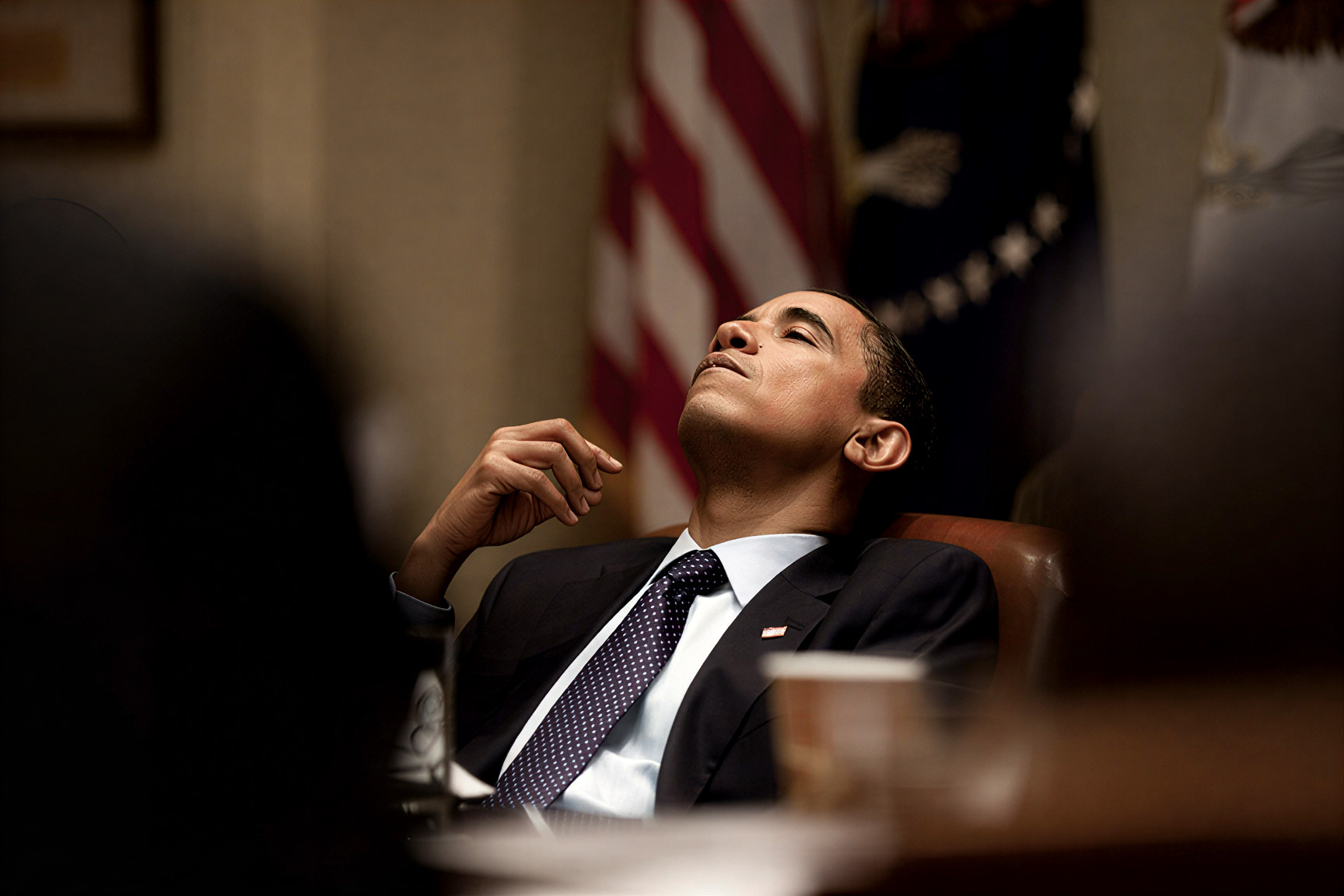
In reflecting on the contrasting presidencies of Barack Obama and the current “regime”, it becomes clear that America has experienced not just a obvious change in leadership but also a profound shift in values and priorities, particularly regarding inclusivity and governance. Obama’s presidency was overshadowed by persistent racism, weaponized by political adversaries to undermine his achievements. This deliberate cultivation of racial animosity not only impacted Obama but also left many of those who engaged in these divisive tactics suffering in silence today, trapped in a cycle of bitterness and disillusionment. As we grapple with the present, the lessons from Obama’s time serve as a critical lens through which we can examine the ongoing challenges of racism and partisanship in the American political arena.
ACA or “Obamacare”: A Weapon of Subtle Racism
One of the most telling early tactics against Obama was the relentless branding of the Affordable Care Act (ACA) as “Obamacare.” This wasn’t merely a catchy nickname; it was a deliberate political weapon. By closely tying a complex piece of legislation to the identity of the first Black president, opponents managed to galvanize a base that was otherwise resistant to reform.
Opposition Fuelled Public Resistance to Obama’s Policies. Watch this seemingly casual YouTube video for a deeper understanding of the broader implications.
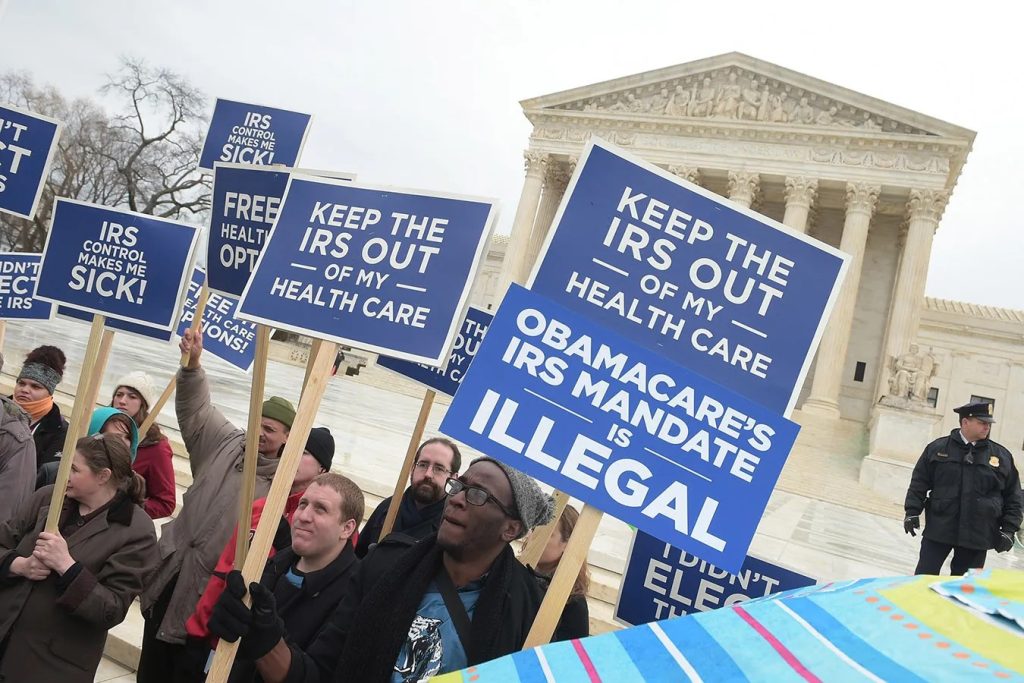
This strategy effectively weaponized racial resentment, transforming policy disagreements into something more toxic. It mirrors documented issues in American life where policies, despite appearing neutral, can have disproportionately negative impacts on minorities [1].
Beyond Healthcare: Legislative Deadlock
Obama’s second term felt like a legislative dead end. Major bills meant to uplift average Americans were systematically rejected by Republicans, forcing his administration to govern primarily through Executive Orders. On the legislators part, this raises the question: Was the intention ever to govern, or merely to obstruct?
Pelosi’s Resolve vs. Current Democratic Reluctance
Now, the political dynamic has shifted, puzzling outside observers. Current Democratic leaders seem to adopt a posture of reluctant accommodation toward the current president, rather than firm opposition. This approach raises concerns about its contribution to the ongoing struggles of the citizenry.
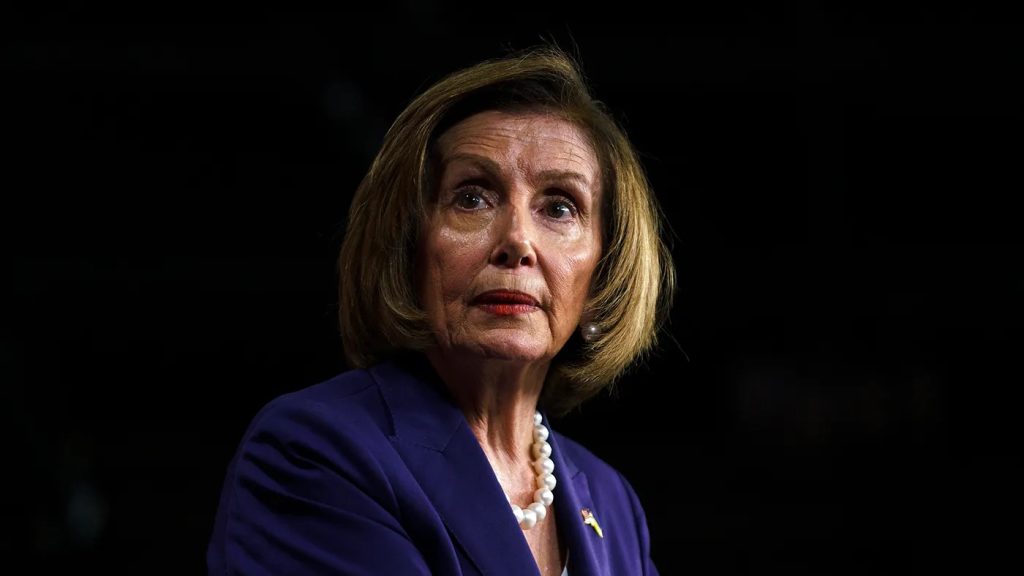
Nancy Pelosi is often viewed as the last true bastion against a certain businessman’s undemocratic governance [2]
Nancy Pelosi’s tenure stands in stark contrast. She was the only House Speaker who stood toe-to-toe with the current president’s aggressive style, refusing to let him operate unchecked. Her willingness to confront his perceived corruption and overreach made her a target for Republican ire but also established a clear boundary that seems to have dissolved in recent times.
The Underlying Discomfort: Race, Policy, and Public Perception
The issue of race in policy and public perception isn’t merely abstract. The opposition’s framing of Obama’s policies highlights a persistent problem: the resistance to his presidency stemmed from a deeper, unspoken discomfort with a Black man in the nation’s highest office.
“Racism, we are not cured of it…”
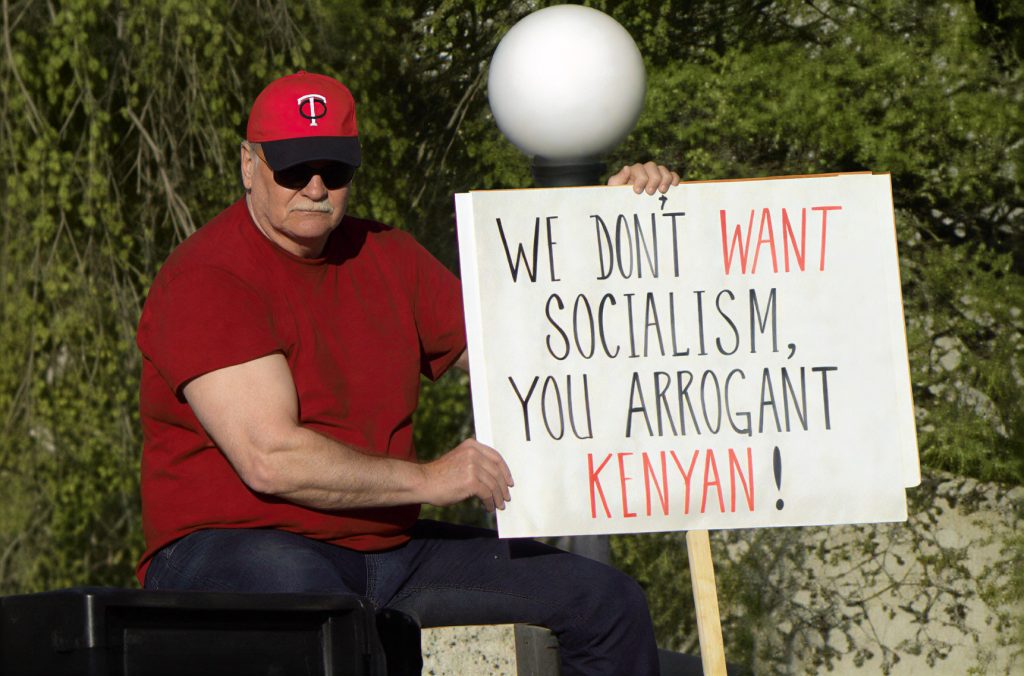
This theme resonates in various other sectors, including healthcare, where minority patients report experiencing inferior treatment and less aggressive care compared to their white counterparts. [3][4].
Reflections on Lost Potential: Partisan Division, Prejudice, and an Uncertain Future
In summary, looking back from the outside, the Obama years appear as a moment of potential that was deliberately undermined by partisan bitterness and underlying prejudice. The current political climate is characterized by a business-first approach that prioritizes the interests of the wealthy while sidelining the working and lower classes that were mobilized against Obama in the first place. This, combined with a perceived lack of backbone from the opposition, should deepen the sense of lost potential and profound regret; however, there always seems to be a digression. One might expect that lessons have been learned, but history suggests otherwise. We can only hope that the American people will come to recognize the value of the leadership they once dismissed. Unfortunately, the shadows of racism in the country continue to prevail.
Sources
- Understanding and Addressing Racial Disparities in Health Care – PMC – PubMed Central
- Nancy Pelosi: the woman who stood up to Trump – The Guardian
- Racism in healthcare: Statistics and examples – Medical News Today
- Racism in healthcare: a scoping review – PMC – PubMed Central
- I’ve had it podcast (exact episode unknown) on Youtube
- Six of One – Obamacare vs. The Affordable Care Act- Jimmy Kimmel Live (October, 2013)
- “Racism, we’re not cured of it…”- President Barack Obama in Conversation with Marc Maron | WTF Podcast